$$PLAIN_TEXT_PREVIEW$$
Gogo Cheng Consulting

EPISODE 80


Where We Lose the New Client


This week’s GC Insight comes from Summer, our Luxury Consultant and Trainer, reflecting on her mystery audit in Shanghai.

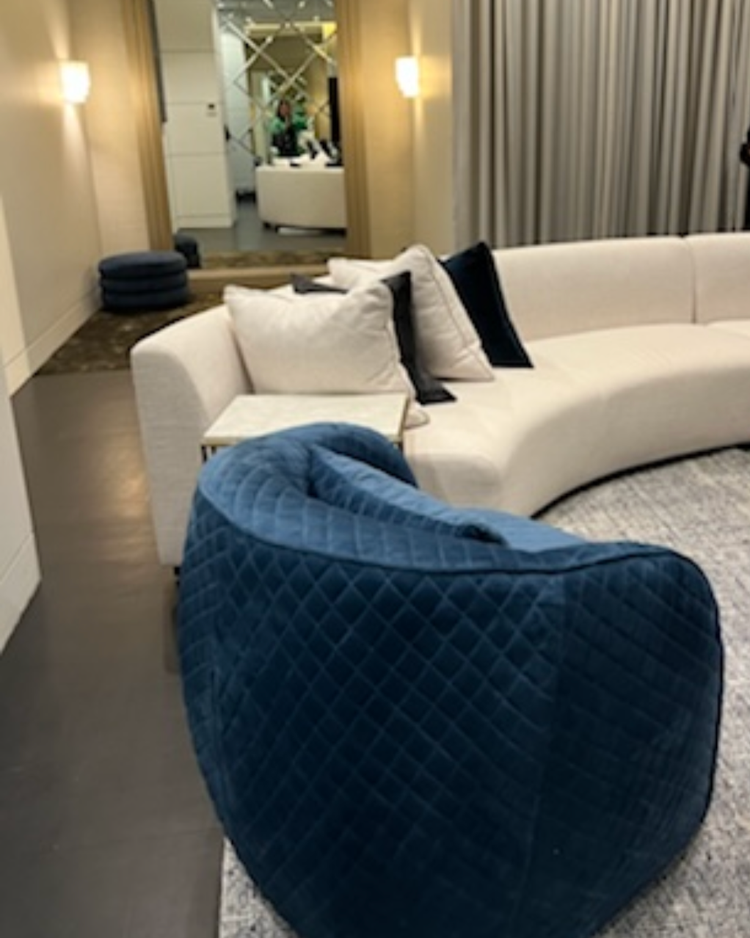
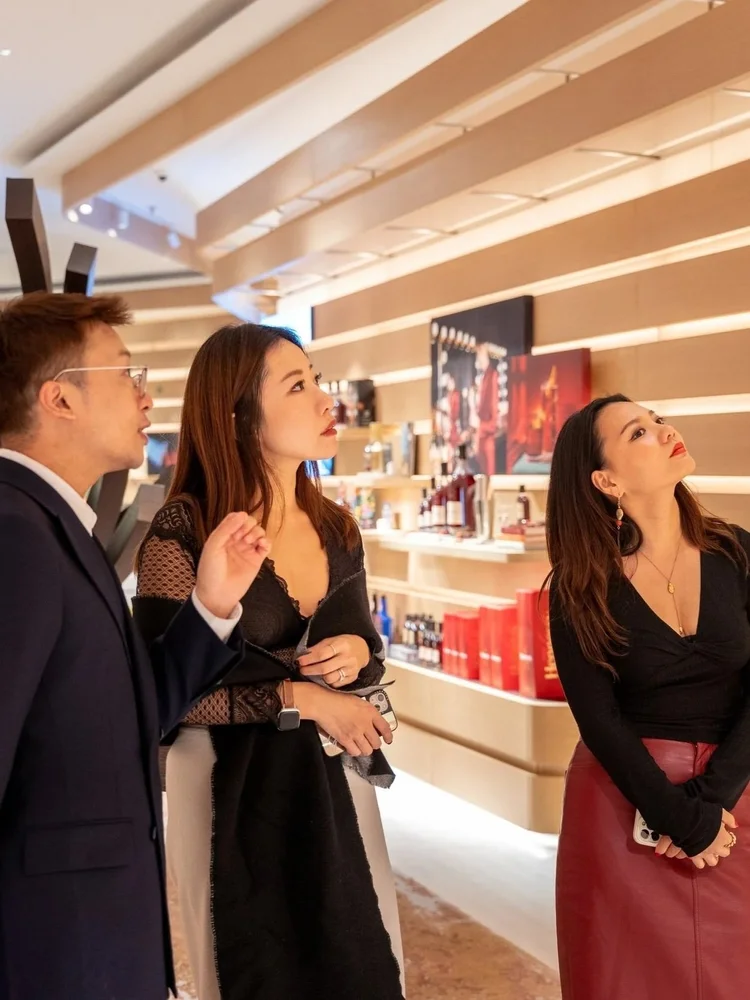
Last Saturday I ran a mystery audit, posing as a first-time client shopping for my new home, the kind of luxury homeware where a single piece costs as much as a luxury car. The associate was warm and kind, yet I left feeling like a client who had never truly been seen.

It returned me to a truth I've watched play out on luxury floors for years: The hardest sale in retail is also the most expensive one to win: the first-timer, who walks in with no history and decides in minutes whether this brand is for them.

And that is precisely the moment we invest the least clienteling.

True clienteling reveals itself not in how you treat the client you know, but in how you treat the one you don't.

Here are four moments where the store quietly let a new client slip away:

The Welcome

I stood outside the entrance for a good two minutes, and no one was there to welcome me. The team only approached once I had already walked in, by which point the moment was gone.

The welcome is the most powerful thing you can offer a first-time client, because it answers the question they're silently asking: do I belong here?

A warm, deliberate greeting at the door says yes before a single word about the product. An empty doorway leaves them to wonder, and wondering is where the sale begins to slip.

Key Takeaway: The welcome is not a courtesy; it is the first act of clienteling. The first moments at the door are the cheapest, easiest chance to win a first-time client, and the most expensive one to waste.

The Discovery

The associate was warm and easy to be around. But she moved straight to the product. “Are you looking for this?” Yes. “Do you prefer this or that?” And we were off, qualifying the item before anyone had qualified the person. No one asked about my new home, why I was buying now, or what I was really searching for, not on the shelf, but in my life.

With a returning client you can move quickly, because the relationship already holds the context. With a first-time client, that context doesn't exist yet, and discovery is the only way to build it. It is precisely the moment teams rush past.

Key Takeaway: Discovery isn't about the product; it's about the person. Before you ask what they want to buy, learn who they are and why they're here. A client who feels seen and heard is already halfway to becoming a loyal one. And reading why someone is really there is a learnable discipline, not a gift. 

Reading the Room

At one point she pushed me to try the product in a way I wasn't comfortable with, and I let it show. I hesitated. I held back. The signal was there. But she kept going until I had to say no out loud. The warmth was still there but the attention wasn't.

Reading a client, especially a new one who will rarely name what they're feeling, is the part of this craft that no script can carry. It lives entirely in the associate's attention.

Key Takeaway: A new client rarely tells you they're uncomfortable; they show you. Reading what goes unspoken is what separates a true host from an order-taker, and this reading skill can be trained.

The Follow-Up

On my way out, she warmly invited me to come back sometime. A nice gesture, but nothing came after it. No one took my contact unless I asked - so I did, just to see how wide the gap would run. The store had done the hardest, most expensive part, getting a qualified first-timer through the door, and then let me walk back out exactly as I'd come in: someone they'd never see again, since the bridge to a second visit was never really built.

Key Takeaway: A spoken “come again” is a wish; a message the same day is a bridge. The follow-up isn't the close of one visit, it's the opening of the relationship.

Final Thoughts

Why is winning a new client so hard? Mostly because we design the in-store experience for people who already know us, then wonder why the ones who don't never return.

Brands spend fortunes on marketing to drive new footfall, then lose those first-timers on the floor, in the smallest moments, to a service model built for the already-loyal.

Warmth is the hardest thing to teach, and this store already had it. What it lacked was clienteling - and clienteling can be taught.

Ready to elevate your in-store experience and your team’s clienteling capability?

 Discover Our Trainings 

If you want to turn first-time clients into loyal ones instead of watching them slip out the door, let’s have a conversation.

 Read More Newsletters 

Whenever you are ready, here are the ways we can support you (or your business) to thrive in your industry:

  • Review Your Customer Loyalty Strategy

  • Design a Clienteling Learning Ecosystem

  • Evaluate Your Clienteling Capability

  • Master The Art and Science of Clienteling™

  • Deliver an Inspiring Keynote

  • Support Your Leadership and Communication Development

 Members Homepage 

The Clienteling Academy

Hong Kong, Luxembourg, Shanghai

Powered by Squarespace

Unsubscribe